Egypt Travel Tips & Advice for First-Time Visitors
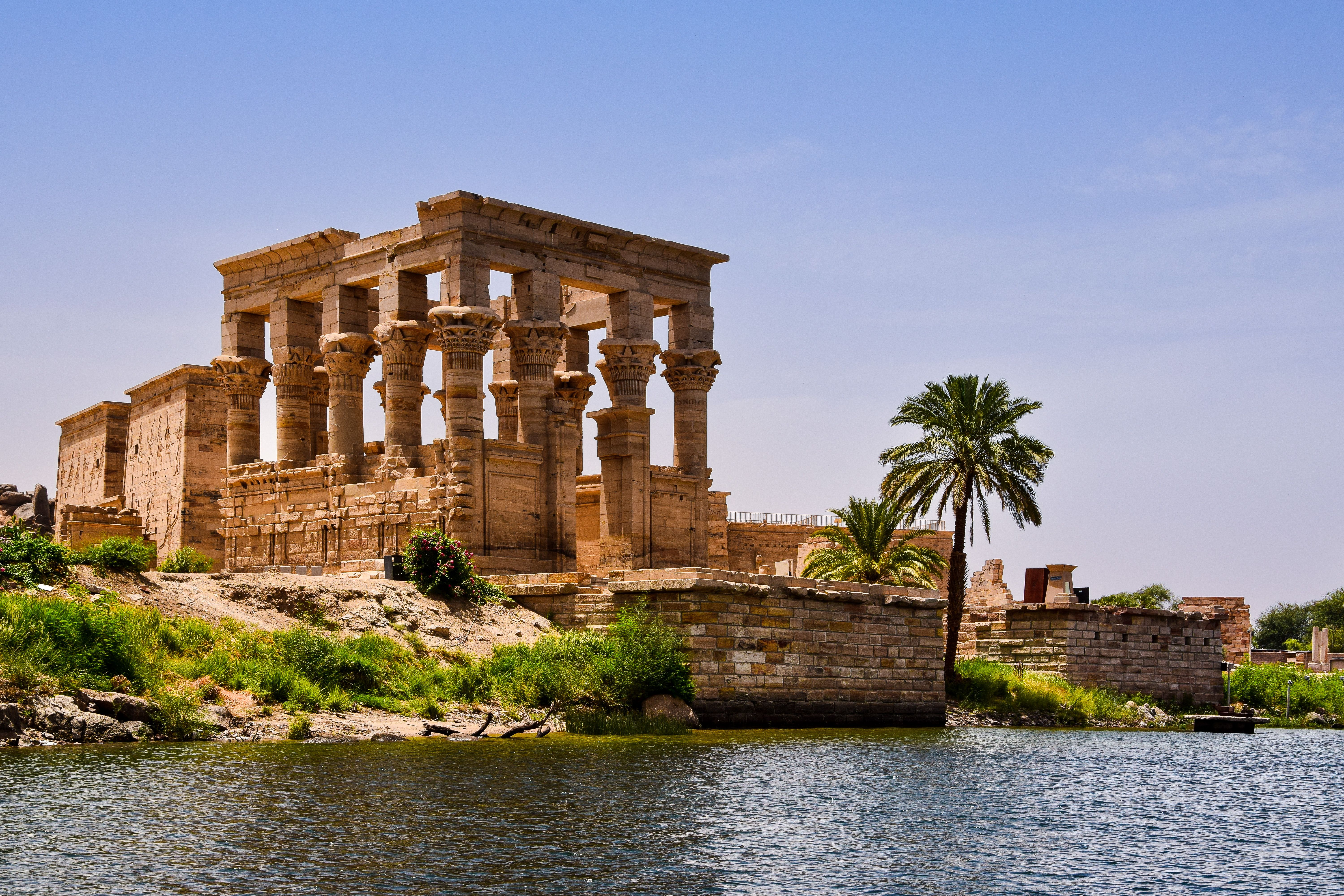
10 Essential Tips for First-Time Visitors to Egypt in 2026 – The Ultimate Guide
Egypt is one of the world's most fascinating travel destinations, attracting millions of visitors every year with its ancient pyramids, magnificent temples, stunning Red Sea beaches, and unforgettable Nile River cruises. Whether you're planning to explore Cairo, Luxor, Aswan, Alexandria, or Hurghada, preparing for your first visit can make your trip smoother and more enjoyable.
While Egypt is generally a welcoming and affordable destination, first-time travelers often have questions about safety, transportation, local customs, weather, tipping, and the best places to visit.
In this guide, you'll discover 10 essential Egypt travel tips that will help you avoid common mistakes, save money, respect local traditions, and enjoy a stress-free vacation in Egypt in 2026.
Choose the Best Time to Visit Egypt
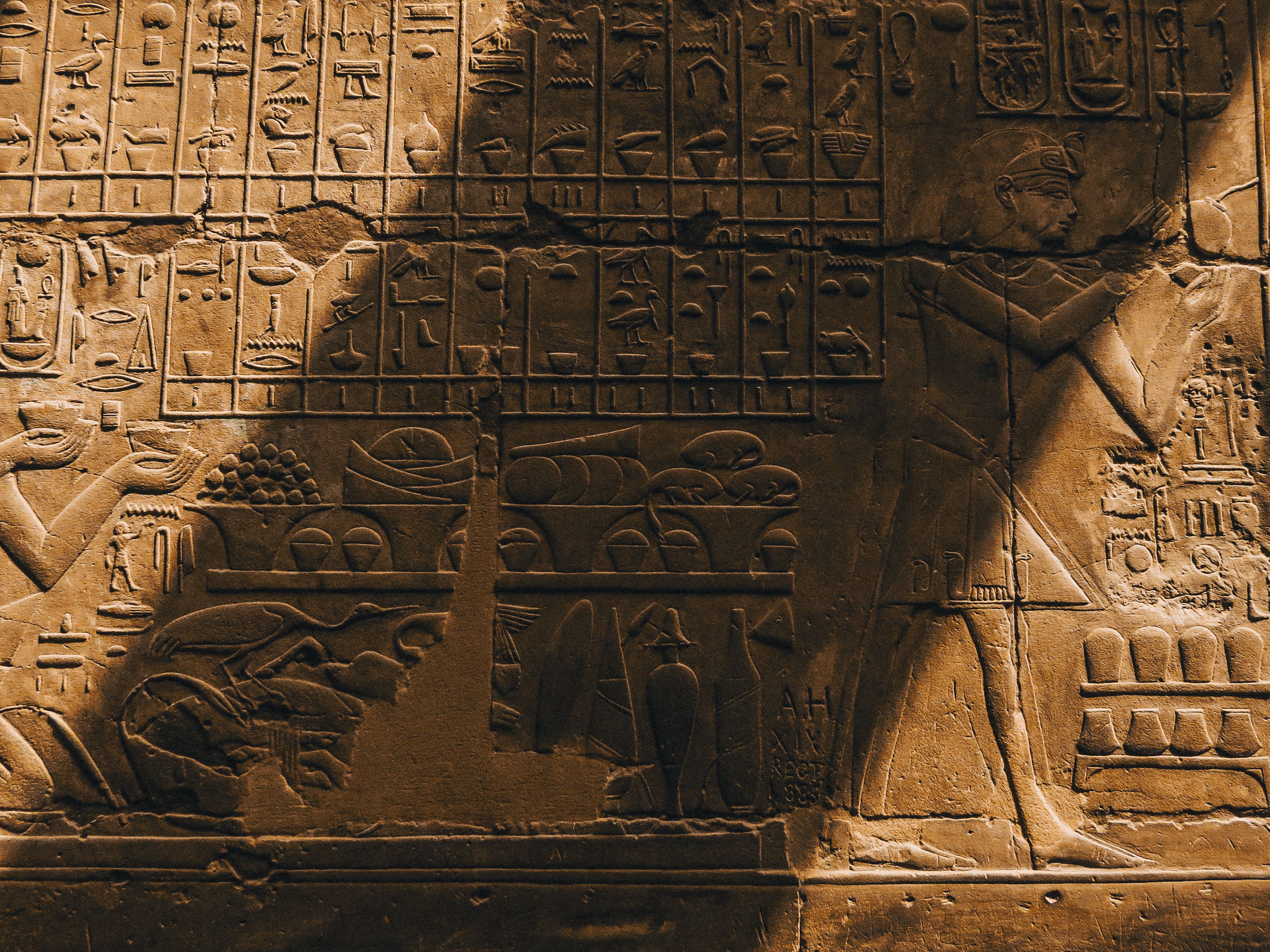
Best Time to Visit Egypt
Why October to April Is the Best Time to Visit Egypt ?
The best time to visit Egypt is between October and April, when the weather is pleasantly mild across most of the country. Daytime temperatures usually range from 18°C to 28°C (64°F–82°F), making it ideal for sightseeing, desert adventures, Nile cruises, and exploring famous attractions such as Luxor, Aswan, Cairo, and Abu Simbel without the intense summer heat.
This is also the peak travel season, so booking your accommodation, domestic flights, and tours in advance is highly recommended.
Should You Visit Egypt in May or Septemper ?
If you prefer fewer tourists and better prices, consider visiting during May or September. These months offer a great balance between comfortable weather and lower travel costs. While afternoons can be warm, mornings and evenings remain enjoyable, allowing you to explore Egypt's historical sites with smaller crowds.
Many travelers find these months to be the perfect combination of affordability and pleasant conditions.
Traveling to Egypt in Summer (June–August)
The summer months, especially June through August, can be extremely hot, particularly in southern Egypt. Temperatures in Luxor and Aswan frequently exceed 38–45°C (100–113°F), making outdoor sightseeing challenging during the middle of the day.
If you visit during summer, plan your activities early in the morning or after sunset, stay hydrated, wear lightweight clothing, and take advantage of air-conditioned transportation whenever possible. Coastal destinations like Hurghada, El Gouna, and Sharm El Sheikh are generally more comfortable thanks to the sea breeze.
Visiting Egypt During Ramadan
If you're interested in experiencing Egypt's rich culture, visiting during Ramadan can be a memorable experience. Since Ramadan follows the Islamic lunar calendar, it usually falls around March or April in the coming years, though the exact dates change annually.
During the day, some restaurants and shops may operate with reduced hours, but after sunset the atmosphere completely transforms. Streets come alive with colorful Ramadan lanterns, traditional decorations, bustling cafés, local food markets, and festive celebrations that offer visitors a unique glimpse into Egyptian culture and hospitality.
Quick Summary
- Best Overall: October–April for comfortable weather and sightseeing.
- Best Value: May and September for fewer crowds and lower prices.
- Hottest Months: June–August, especially in Luxor and Aswan.
- Best Cultural Experience: Visit during Ramadan to enjoy Egypt's vibrant evening celebrations and traditional atmosphere.
Visa & Entry Requirements
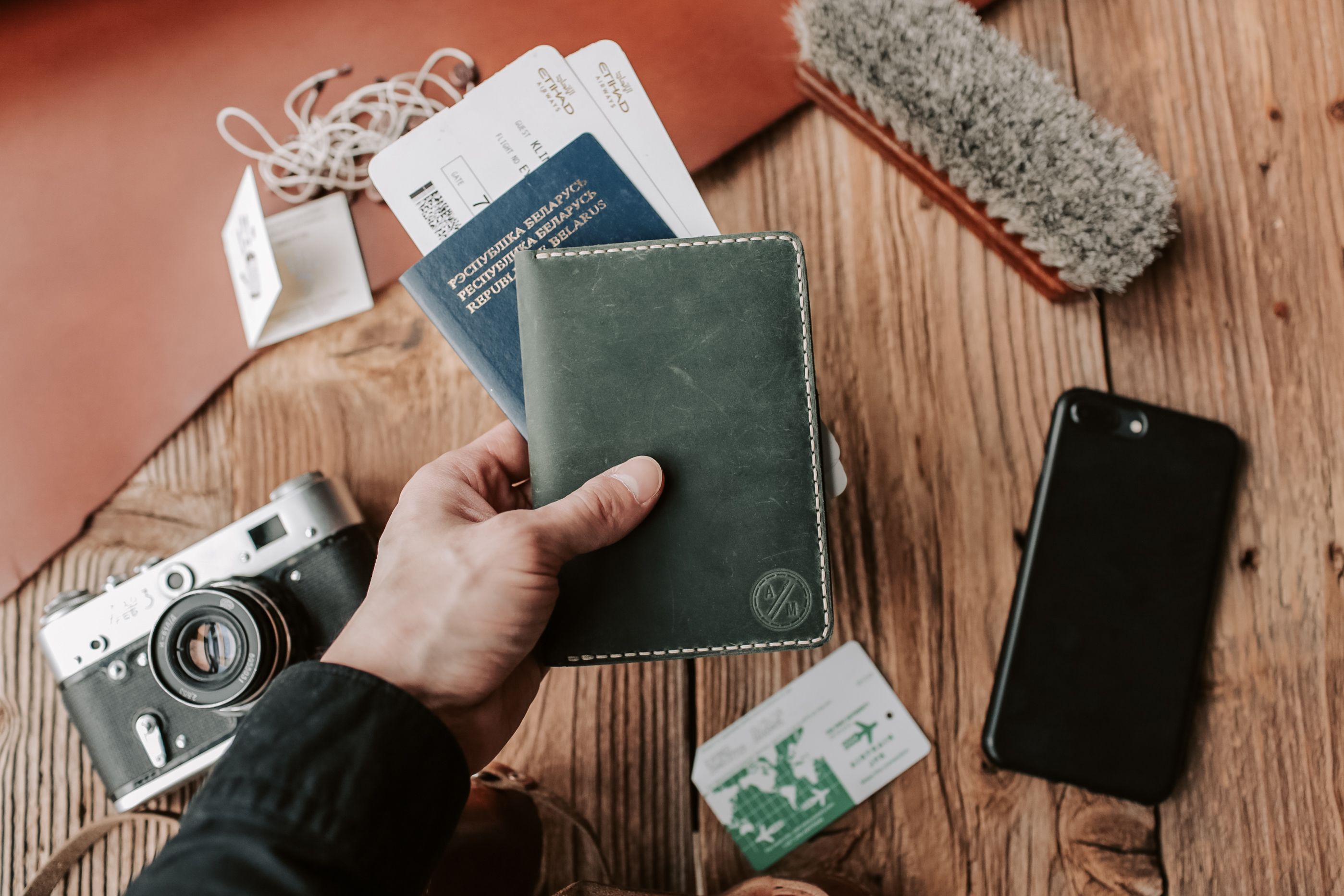
Understand Egypt's Visa and Entry Requirements
Before booking your trip, it's important to understand Egypt's visa and entry requirements. The rules vary depending on your nationality, so always check the latest regulations before you travel. Many visitors from Europe, North America, Australia, and several other countries are eligible to obtain a 30-day single-entry Egypt tourist visa upon arrival.
If you're arriving at Cairo International Airport, you can usually purchase a Visa on Arrival for $25 USD. The visa fee is typically paid in cash, so it's recommended to carry the exact amount in US dollars to make the process faster. After purchasing the visa sticker, you'll place it in your passport before proceeding to immigration.
Apply for the Egypt e-Visa
Although a visa on arrival is available for many travelers, applying for the Egypt e-Visa before your trip is often the better option. The online application is simple, secure, and usually takes only a few minutes to complete. Receiving your visa before departure can save valuable time at the airport, reduce waiting in long lines, and give you extra peace of mind before your flight.
Passport Validity Requirements
Your passport should generally be valid for at least six months from the date you enter Egypt. Immigration officers may also ask to see supporting travel documents, including:
- A confirmed return or onward flight ticket.
- Hotel reservations or proof of accommodation.
- Your travel itinerary or tour booking, if applicable.
Keeping printed or digital copies of these documents can help make the immigration process quicker and smoother.
Important Travel Advice
Visa policies and entry requirements can change without notice. Some nationalities may need to apply for a visa before traveling, while others may have different entry conditions or additional documentation requirements. For this reason, it's always best to verify the latest Egypt visa requirements before your departure.
Preparing your travel documents in advance will help ensure a smooth arrival, allowing you to spend less time at the airport and more time exploring Egypt's incredible pyramids, ancient temples, Nile cruises, and Red Sea resorts.
Essential Packing List & Dress Code

Dress Code in Egypt & What to Pack for Your Trip
One of the first questions travelers ask before visiting Egypt is, "What should I wear in Egypt?" Fortunately, packing for Egypt is easier than many people expect. While Egypt welcomes millions of international tourists every year and major destinations such as Cairo, Luxor, Aswan, Hurghada, and Sharm El Sheikh are accustomed to visitors from around the world, understanding the local dress code can help you feel more comfortable and show respect for Egyptian culture.
Egypt is generally a conservative country, especially in residential neighborhoods, traditional markets, villages, and religious sites. Although there is no strict dress code for tourists, choosing modest and lightweight clothing is always a good idea. It helps you stay cool in the warm climate, protects you from the sun, and allows you to blend in more naturally with local customs.
What Should Women Wear iَn Egypt?
Female travelers are not expected to wear a hijab, and there is no legal requirement to cover their hair. However, modest clothing is appreciated in most public places, particularly when visiting historical sites, local neighborhoods, mosques, and churches.
Loose-fitting cotton dresses, linen trousers, maxi skirts, breathable T-shirts, and lightweight blouses are all excellent choices for Egypt's climate. These fabrics help keep you cool during sightseeing while providing additional protection from the sun.
When visiting religious sites such as mosques, it's recommended to cover your shoulders and knees. Carrying a lightweight scarf is highly recommended, as it can be used to cover your hair if required, protect you from the sun, or provide extra comfort on windy days.
In beach destinations like Hurghada, Sharm El Sheikh, Marsa Alam, and El Gouna, swimwear is perfectly acceptable inside hotels, resorts, and private beaches. However, it's respectful to wear a cover-up or casual clothing when leaving the beach area.
What Should Men Wear in Egypt?
Men can dress casually and comfortably while traveling in Egypt. T-shirts, polo shirts, lightweight trousers, jeans, and knee-length shorts are suitable for most tourist attractions and city sightseeing.
When visiting mosques or more traditional areas, it's best to avoid sleeveless shirts and very short shorts. Wearing breathable fabrics such as cotton or linen will help you stay comfortable during long days of exploring Egypt's archaeological sites.
Comfortable footwear is equally important. Since many historical attractions involve walking on uneven stone paths, sandy terrain, or large archaeological complexes, supportive walking shoes or lightweight sneakers are highly recommended.
What to Pack for Egypt
Packing wisely can make your trip much more enjoyable. Egypt's sunny weather means you'll spend many hours outdoors exploring ancient temples, pyramids, museums, bustling markets, and desert landscapes. Bringing the right travel essentials will help you stay comfortable throughout your journey.
Your Egypt packing list should include:
- Comfortable walking shoes for sightseeing.
- High-SPF sunscreen and lip balm.
- Sunglasses and a wide-brim hat.
- A reusable water bottle to stay hydrated.
- A portable power bank for your phone.
- A universal travel adapter.
- A lightweight jacket or sweater for cooler winter evenings.
- Basic medications and a small first-aid kit.
- A small backpack for daily excursions.
- Printed and digital copies of your passport, travel insurance, and important travel documents.
These simple items can make a significant difference, especially if you're planning full-day tours or traveling between multiple cities.
Seasonal Packing Tips
What you pack also depends on the time of year you visit Egypt.
During October to April, temperatures are generally pleasant, but evenings can become surprisingly cool, especially in desert areas and along the Nile. Bringing a light jacket or sweater is recommended.
If you're visiting during the summer months between June and August, focus on lightweight, breathable clothing made from natural fabrics such as cotton or linen. A hat, sunglasses, and sunscreen become essential for protecting yourself from the strong Egyptian sun.
Spring and autumn offer some of the best weather for sightseeing, making them ideal seasons for travelers who prefer comfortable temperatures without the extreme summer heat.
Dressing Respectfully While Traveling in Egypt
Respecting local customs doesn't mean changing your personal style—it simply means dressing appropriately for the places you visit. In tourist areas, people wear a wide variety of clothing, and visitors are generally welcomed regardless of what they wear. However, choosing modest outfits in cultural and religious settings demonstrates courtesy and helps create more positive interactions with local people.
By combining practical clothing with respect for Egyptian traditions, you'll feel confident, comfortable, and well prepared to enjoy everything from the Pyramids of Giza and the temples of Luxor to the beaches of the Red Sea.
Quick Packing Checklist
Before leaving for Egypt, make sure you have packed:
- Lightweight and breathable clothing.
- Comfortable walking shoes.
- A scarf for religious sites.
- Sunscreen, sunglasses, and a hat.
- A reusable water bottle.
- A power bank and travel adapter.
- A light jacket for cooler evenings.
- Essential medications.
- Copies of important travel documents.
Packing smart and dressing appropriately will help you enjoy your Egyptian adventure with confidence, allowing you to focus on discovering the country's incredible history, breathtaking landscapes, and unforgettable cultural experiences.
Egyptian Food Guide: Traditional Dishes & Local Delicacies
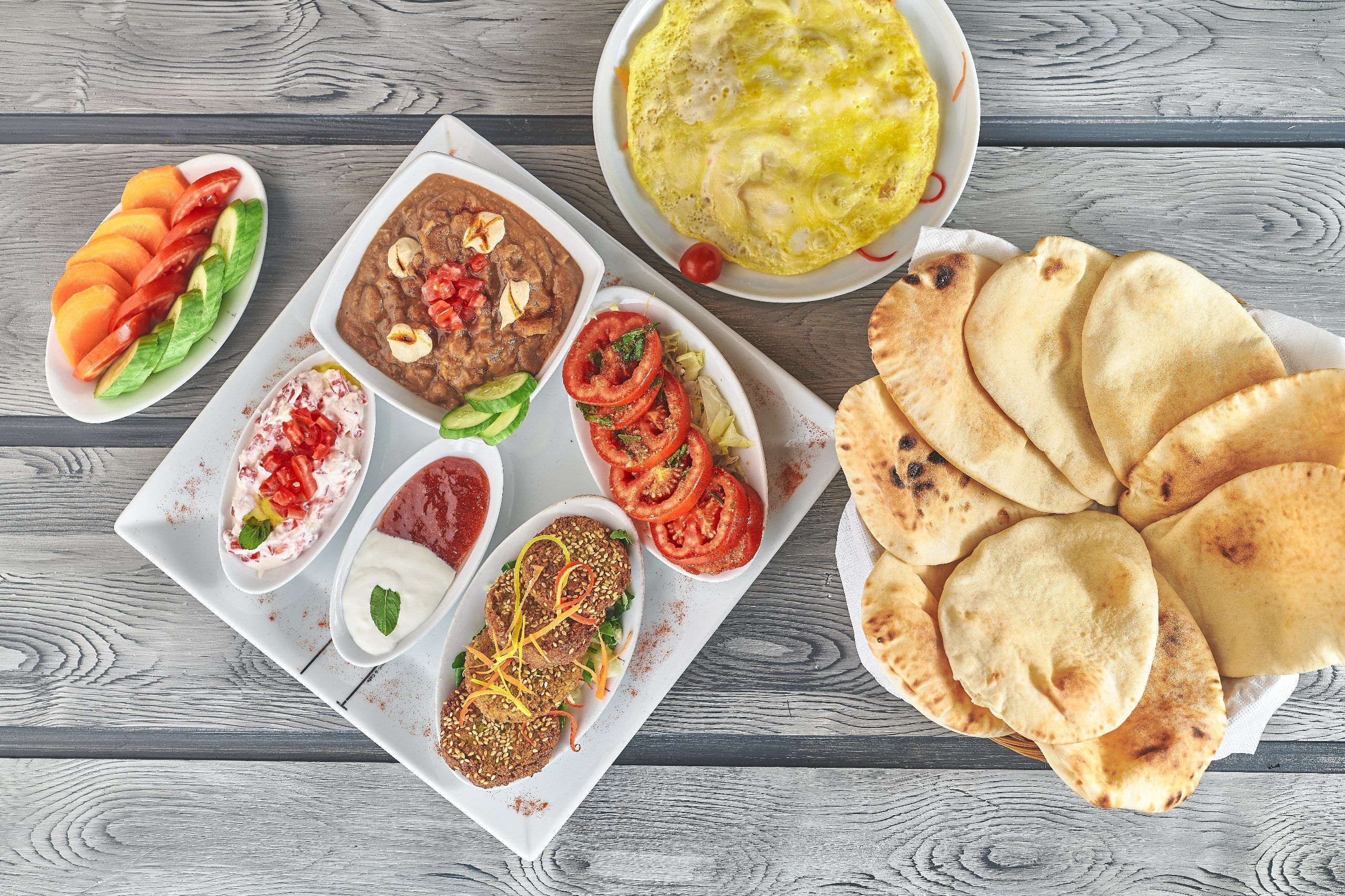
Egyptian Food Guide – Must-Try Dishes in Egypt
Exploring Egyptian cuisine is one of the most memorable parts of any trip to Egypt. Food is deeply connected to the country's history and culture, offering visitors a unique opportunity to experience authentic Egyptian traditions through every meal. From simple street food to family recipes that have been passed down for generations, Egyptian cuisine combines flavors from the Middle East, the Mediterranean, Africa, and the Ottoman era.
Whether you're enjoying breakfast at a local café in Cairo, dining on the banks of the Nile in Luxor, or discovering seafood restaurants in Alexandria, you'll quickly notice that Egyptian food is both delicious and surprisingly affordable. Trying traditional dishes is not only a great way to experience local culture but also one of the highlights of traveling throughout the country.
Must-Try Traditional Egyptian Dishes
Every region of Egypt has its own specialties, but several traditional dishes are considered essential for first-time visitors.
Koshari is Egypt's national dish and one of the country's most popular meals. It combines rice, pasta, lentils, chickpeas, tomato sauce, garlic vinegar, and crispy fried onions into a surprisingly flavorful and satisfying dish. It's inexpensive, filling, and available in restaurants across Egypt.
For breakfast, many Egyptians start their day with Ful Medames and Taameya. Ful Medames is made from slow-cooked fava beans seasoned with olive oil, lemon juice, and spices, while Taameya is Egypt's version of falafel, prepared with fava beans instead of chickpeas. Together, they create one of the most authentic breakfast experiences you'll find in Egypt.
If you're looking for traditional homemade flavors, don't miss Molokhia, a famous green soup served with rice and chicken or rabbit. Other local favorites include Mahshi, vegetables stuffed with seasoned rice, and grilled Kofta and Kebab, which are popular choices for lunch and dinner throughout the country.
Save Room for Egyptian Desserts
Egyptian desserts are just as famous as the country's savory dishes. Influenced by Middle Eastern and Mediterranean traditions, these sweets are rich, flavorful, and perfect for anyone with a sweet tooth.
Some desserts you shouldn't miss include:
- Kunafa – Crispy shredded pastry filled with cream, nuts, or sweet cheese.
- Umm Ali – A warm baked dessert made with milk, pastry, raisins, and mixed nuts.
- Feteer Meshaltet – A flaky layered pastry that can be served with honey, cream, chocolate, or savory fillings.
- Basbousa – A soft semolina cake soaked in sweet syrup.
- Rice Pudding (Roz Bel Laban) – A creamy dessert often flavored with cinnamon or vanilla.
Many traditional cafés and bakeries prepare these desserts fresh every day, making them a perfect way to end a meal.
Is Street Food Safe in Egypt?
Street food is an important part of Egyptian culture and offers some of the most authentic culinary experiences you'll find during your trip. Popular snacks such as Taameya sandwiches, shawarma, liver sandwiches, and freshly baked bread are enjoyed daily by both locals and tourists.
While street food is generally safe, it's important to choose vendors that are busy and have a high turnover of customers. Freshly prepared meals are usually a better choice than food that has been sitting out for long periods.
A simple rule followed by experienced travelers is to eat where local people eat. Busy restaurants and popular food stalls often provide the freshest ingredients and the best overall experience.
Food Safety Tips for Travelers
Most visitors enjoy Egyptian cuisine without any problems, but taking a few basic precautions can help prevent stomach discomfort during your trip.
Drink bottled water instead of tap water, especially if you're not used to the local water supply. Wash fresh fruits before eating them whenever possible, and choose restaurants that maintain good hygiene standards. If you're trying street food, order freshly cooked meals rather than food that has been left uncovered.
It's also a good idea to carry hand sanitizer while exploring busy markets or tourist attractions, particularly if you plan to enjoy snacks on the go.
Vegetarian and Vegan Food in Egypt
Egypt is an excellent destination for vegetarian travelers. Many traditional dishes are naturally meat-free and made with fresh vegetables, legumes, rice, and herbs.
Popular vegetarian options include Ful Medames, Taameya, Koshari, Mahshi prepared without meat, stuffed vine leaves, grilled vegetables, and a variety of fresh salads. Vegan travelers will also find many suitable choices, although it's always helpful to confirm the ingredients before ordering.
Thanks to the abundance of plant-based dishes, enjoying authentic Egyptian cuisine is easy regardless of your dietary preferences.
Experience Egypt Through Its Food
Food is much more than just a meal in Egypt—it's an important part of everyday life and hospitality. Whether you're sharing a traditional breakfast with locals, tasting freshly grilled kofta at a family-run restaurant, or enjoying a warm slice of Kunafa after dinner, every meal tells a story about Egypt's rich history and culture.
Exploring local restaurants, traditional cafés, and neighborhood bakeries allows visitors to discover flavors that cannot be experienced through sightseeing alone. For many travelers, Egyptian cuisine becomes one of the most unforgettable memories of their journey.
Quick Summary
When visiting Egypt, don't miss the opportunity to try traditional dishes such as Koshari, Ful Medames, Taameya, Molokhia, Mahshi, and Kofta. Finish your meal with classic desserts like Kunafa or Umm Ali, choose busy restaurants for the best food quality, drink bottled water, and explore local eateries to enjoy an authentic taste of Egyptian culture.
Transportation In Egypt
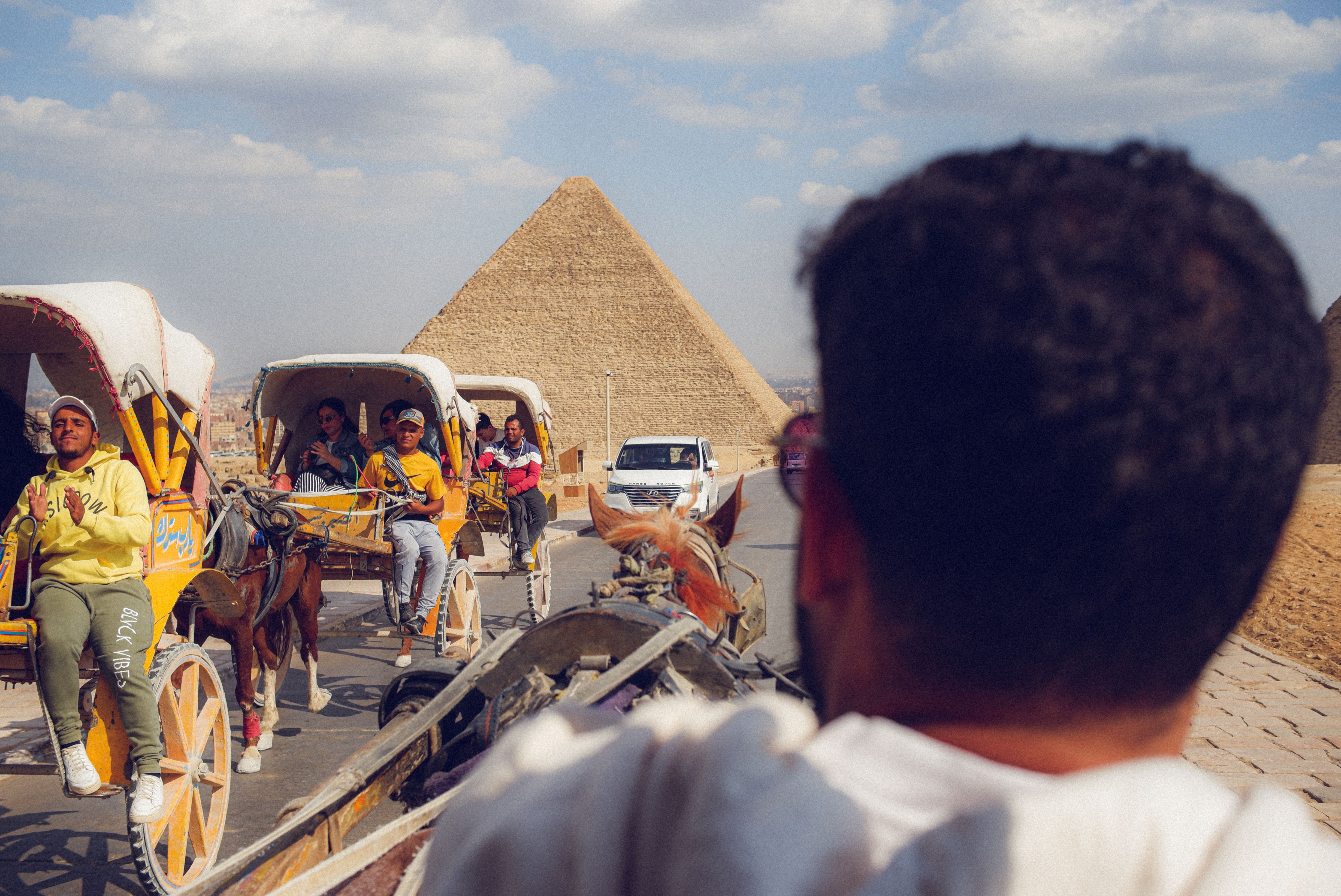
Transportation & Getting Around Egypt
Getting around Egypt is easier than many first-time visitors expect. Whether you're traveling between major cities or exploring local attractions, you'll find a variety of transportation options to suit every budget and travel style. From modern ride-hailing apps in Cairo to domestic flights, trains, buses, and scenic Nile cruises, choosing the right method of transportation can save you both time and money during your trip.
Ride-Hailing Apps (Uber & Careem)
For getting around large cities like Cairo and Alexandria, Uber and Careem are the most convenient and reliable options. They offer transparent pricing, cashless payment options, and help avoid the need to negotiate fares with taxi drivers. They are especially useful for first-time visitors who may not be familiar with local transportation.
Domestic Flights
If you're planning to travel long distances between cities such as Cairo, Luxor, Aswan, Abu Simbel, or Sharm El Sheikh, domestic flights are the fastest and most comfortable option. Although they are more expensive than trains or buses, they can save several hours of travel time and allow you to maximize your itinerary.
Trains
Egypt's railway network connects many of the country's most popular destinations, including Cairo, Alexandria, Luxor, and Aswan. Air-conditioned daytime and overnight sleeper trains are popular choices for travelers who want a comfortable journey at a reasonable price. Booking tickets in advance is recommended, especially during peak tourist seasons.
Buses
Long-distance buses are an affordable way to travel between cities and tourist destinations. Companies such as Go Bus and Blue Bus provide modern coaches equipped with air conditioning, comfortable seats, and onboard Wi-Fi on many routes. Buses are an excellent choice for budget-conscious travelers.
Nile Cruises
A Nile cruise is one of the most memorable ways to travel between Luxor and Aswan. Instead of simply moving from one city to another, you'll enjoy breathtaking views of the Nile while visiting world-famous temples such as Kom Ombo, Edfu, and Philae Temple. For many visitors, a Nile cruise is a highlight of their Egypt itinerary.
Local Transportation Tips
To make your journey smoother, keep these practical tips in mind:
- Use Uber or Careem whenever available instead of street taxis.
- Carry small Egyptian Pound notes for public transportation and tips.
- Book trains, domestic flights, and Nile cruises in advance during the high season (October to April).
- Allow extra travel time in Cairo, as traffic can be heavy during rush hours.
- Download offline maps before traveling to areas with limited internet access.
Quick Summary
No matter your budget, Egypt offers transportation options for every traveler. Ride-hailing apps are ideal for city travel, trains and buses provide affordable connections between destinations, domestic flights save time on longer routes, and a Nile cruise offers a unique way to experience the country's ancient history while traveling in comfort.
Understanding Egyptian Culture
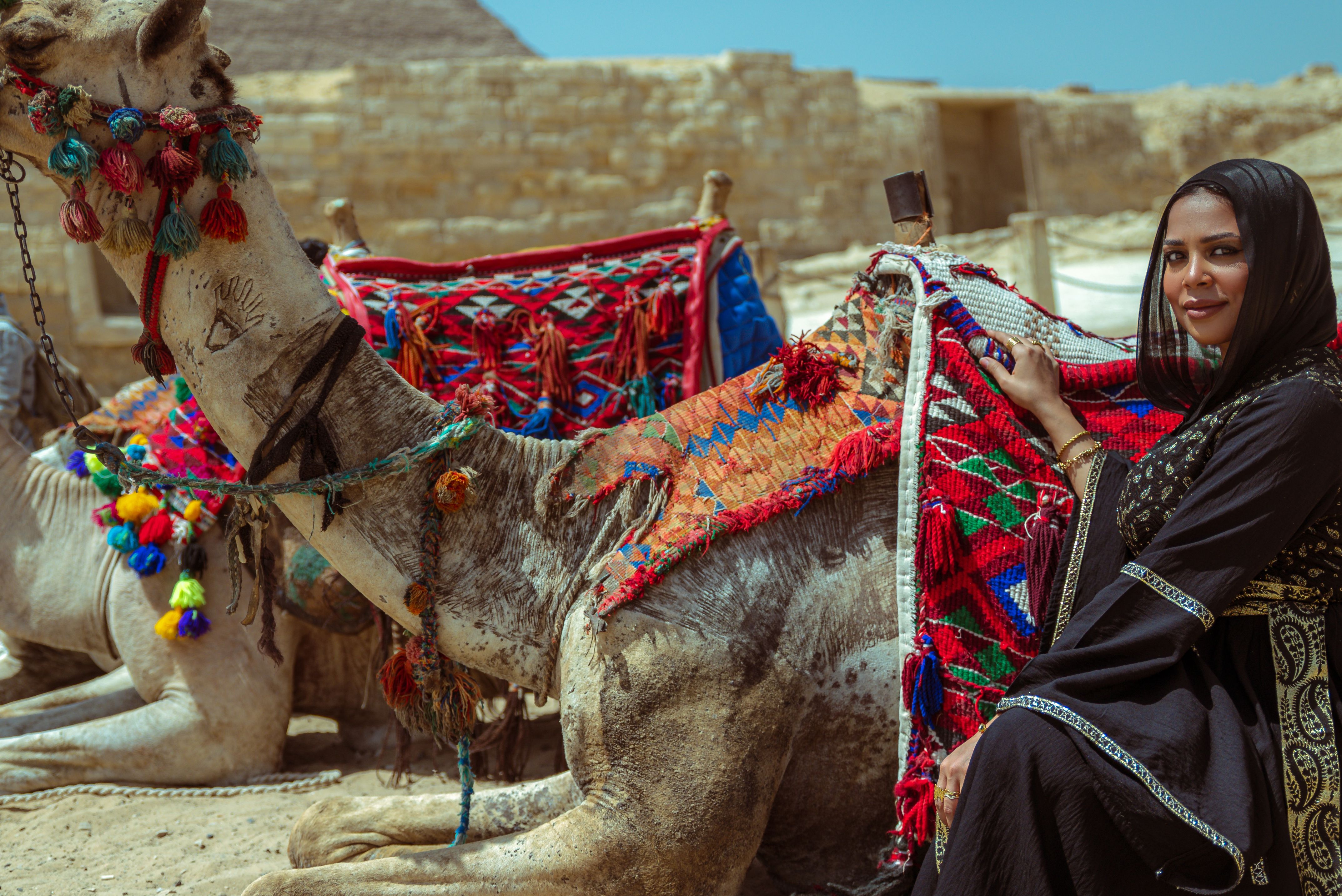
Respect Egyptian Culture and Local Customs
One of the best ways to enjoy a memorable trip to Egypt is by respecting the country's local culture and traditions. Egyptians are widely known for their hospitality, kindness, and welcoming attitude toward visitors. Showing respect for local customs not only helps you avoid misunderstandings but also creates more authentic and enjoyable interactions throughout your journey.
Although Egypt is one of the most popular tourist destinations in the world, it remains a country with strong cultural and religious values. Understanding a few basic customs before you arrive will help you feel more comfortable and leave a positive impression wherever you travel.
Learn a Few Basic Arabic Phrases
You don't need to speak Arabic fluently, but learning a few simple expressions can make a big difference. Egyptians genuinely appreciate visitors who make an effort to communicate in their language, even if it's just a few words.
Some useful phrases include:
- Salam Alaikum – Peace be upon you (Hello)
- Wa Alaikum Salam – Response to the greeting
- Shukran – Thank you
- Afwan – You're welcome
- La Shukran – No, thank you
- Ma'a El Salama – Goodbye
Using these expressions when speaking with hotel staff, taxi drivers, restaurant employees, or shopkeepers often results in friendlier conversations and better service.
Dress Respectfully
Egypt has a generally conservative dress culture, especially outside major tourist resorts. While visitors are not expected to dress exactly like locals, wearing modest clothing is appreciated in cities, villages, and religious sites.
Women should consider covering their shoulders and knees when visiting mosques, churches, or traditional neighborhoods. Carrying a lightweight scarf is useful for entering religious sites.
Men should avoid walking shirtless outside beaches and resorts and should wear appropriate clothing when entering places of worship.
At beach destinations such as Hurghada, Sharm El Sheikh, and Marsa Alam, casual summer clothing and swimwear are perfectly acceptable within hotel and resort areas.
Respect Religious Sites
Egypt is home to beautiful mosques, historic churches, and important religious landmarks. When visiting these places, it's important to follow local etiquette.
Before entering a mosque:
- Remove your shoes.
- Dress modestly.
- Speak quietly.
- Avoid interrupting people during prayer.
- Follow any instructions provided by staff or guides.
Showing respect inside religious sites allows everyone to enjoy the experience peacefully.
Ask Before Taking Photos
Photography is one of the highlights of traveling in Egypt, but it's always polite to ask permission before photographing local people.
Many Egyptians are happy to pose for pictures, while others may prefer not to be photographed. This is particularly important when photographing women, children, or people working in local markets.
Some museums, temples, and historical attractions may also have photography restrictions or require an additional camera ticket, so always check the local rules before taking pictures.
Be Polite When Shopping
Bargaining is a normal part of shopping in traditional markets such as Khan El Khalili in Cairo or local bazaars across Egypt. Negotiating prices is expected, but it should always be done with a smile and a respectful attitude.
If you're not interested in buying something, a polite "La Shukran" is usually enough. Avoid becoming frustrated with persistent vendors, as friendly communication often leads to a more pleasant experience.
Experience Egyptian Hospitality
One of the most memorable parts of visiting Egypt is meeting its people. Egyptians are famous for their generosity and hospitality, and it's common for locals to offer directions, recommend restaurants, or simply start a friendly conversation.
Taking the time to interact respectfully with local people can lead to unforgettable experiences that many tourists consider the highlight of their trip.
Whether you're enjoying tea with a local shopkeeper, chatting with your tour guide, or learning about everyday life from a taxi driver, these moments often become some of the most meaningful memories of visiting Egypt.
Quick Summary
- Learn a few basic Arabic greetings.
- Dress modestly in cities and religious sites.
- Remove your shoes before entering mosques.
- Ask permission before photographing local people.
- Be polite while bargaining in markets.
- Respect local customs and traditions.
- Embrace Egyptian hospitality and enjoy cultural interactions.
Egypt Itinerary
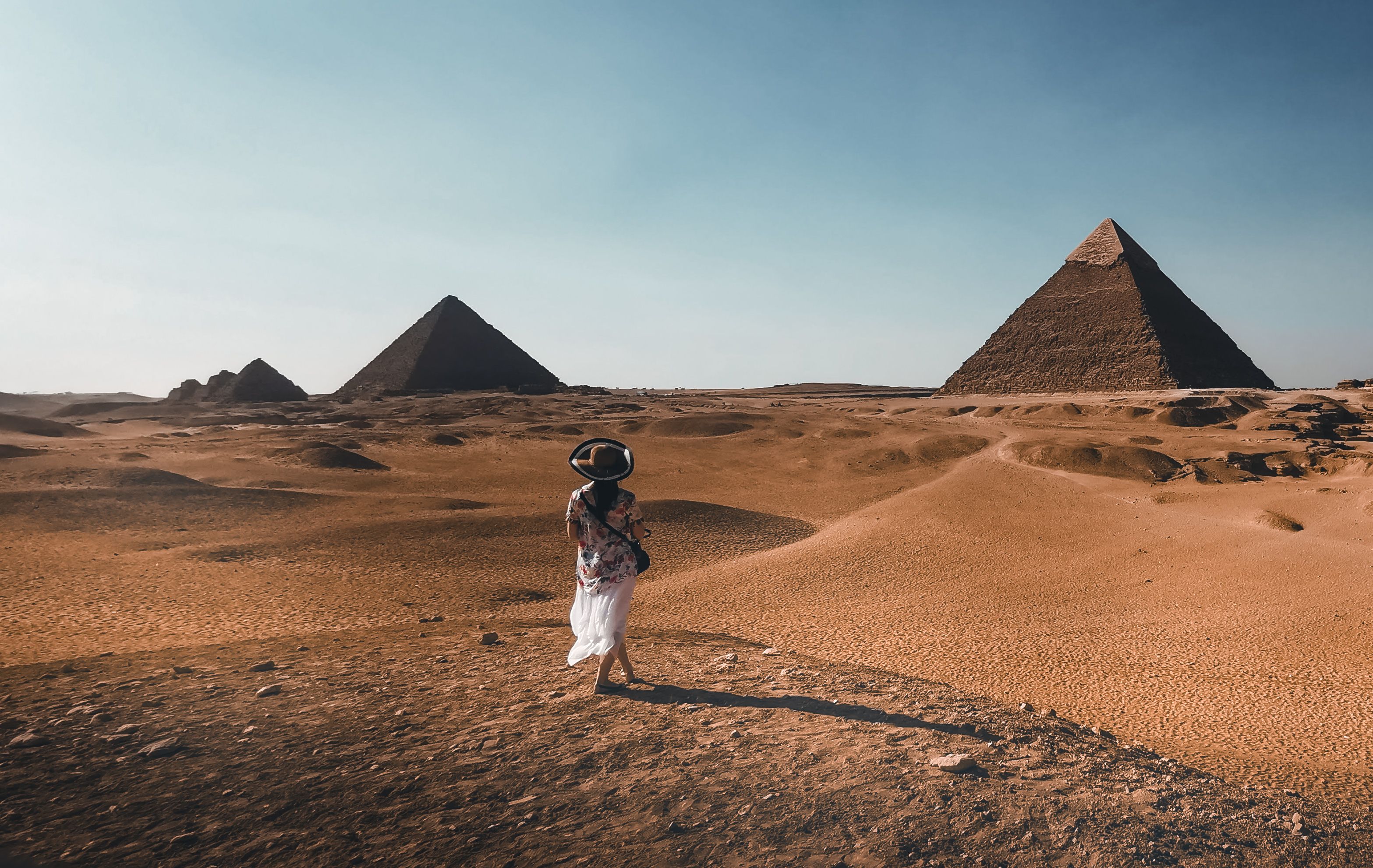
Plan the Perfect Egypt Itinerary
Planning your Egypt itinerary in advance is one of the best ways to make the most of your trip. Egypt is a large country with countless historical landmarks, vibrant cities, beautiful beaches, and unforgettable cultural experiences. Deciding how many days to spend in each destination will help you avoid rushing from one attraction to another and allow you to enjoy your vacation at a comfortable pace.
For first-time visitors, it's best to focus on Egypt's most famous highlights rather than trying to see everything in a single trip. A well-balanced itinerary usually includes a mix of ancient history, local culture, and time to relax by the Red Sea or on a Nile cruise.
4–5 Day Egypt Itinerary
If you only have a few days, spend most of your time in Cairo exploring the country's most iconic attractions. Visit the Great Pyramids of Giza, the Great Sphinx, the Grand Egyptian Museum, and enjoy shopping at Khan El Khalili Bazaar. If your schedule allows, consider a day trip to Alexandria to experience Egypt's Mediterranean coastline and historical landmarks.
This short itinerary is perfect for travelers looking for a quick introduction to Egypt's rich history and culture.
7–10 Day Egypt Itinerary
A week or more allows you to experience the best of Egypt. Begin your journey in Cairo, then take a flight or train to Luxor to explore the magnificent Karnak Temple, Luxor Temple, and the Valley of the Kings.
Continue your trip to Aswan, where you can visit the Philae Temple, enjoy a traditional felucca ride on the Nile, and take an optional excursion to the spectacular Abu Simbel Temples.
Many travelers consider this classic route the perfect Egypt itinerary for first-time visitors.
Add a Nile Cruise to Your Trip
One of the most unforgettable experiences in Egypt is taking a Nile Cruise between Luxor and Aswan. Instead of traveling by road, you'll sail along the world's longest river while visiting famous temples such as Edfu and Kom Ombo.
Most cruises last between 3 and 5 nights, offering comfortable accommodation, guided sightseeing, and breathtaking views of rural Egypt. For many visitors, a Nile cruise becomes the highlight of their entire vacation.
Relax at the Red Sea
If your schedule allows, add a few days at one of Egypt's beautiful Red Sea destinations after exploring the historical sites.
Popular choices include:
- Hurghada – Great for families, snorkeling, and diving.
- Sharm El Sheikh – Famous for luxury resorts and coral reefs.
- Marsa Alam – Ideal for nature lovers and scuba diving enthusiasts.
- El Gouna – A modern resort town with beaches, restaurants, and water sports.
A relaxing beach stay is the perfect way to end an adventure-filled Egypt itinerary.
Plan Transportation Between Cities
Egypt offers several convenient transportation options depending on your budget and schedule.
- Domestic flights are the fastest way to travel between Cairo, Luxor, Aswan, and the Red Sea resorts.
- Air-conditioned trains provide a comfortable and affordable alternative.
- Long-distance buses connect many cities at lower prices.
- Uber and Careem are excellent choices for getting around Cairo and Alexandria.
Booking flights, trains, and Nile cruises in advance is highly recommended during the peak travel season from October to April.
Quick Planning Tips
Before finalizing your itinerary, keep these recommendations in mind:
- Spend at least 2–3 days in Cairo.
- Allow 2 days in Luxor to explore the main temples.
- Stay 1–2 days in Aswan.
- Consider a 3–5 night Nile Cruise.
- Add 2–4 days at the Red Sea if you enjoy beaches and water activities.
- Avoid trying to visit too many cities in a short period.
A slower, well-planned itinerary will help you enjoy Egypt's incredible history, culture, and natural beauty without feeling rushed.
Egypt Travel Budget & Money Tips
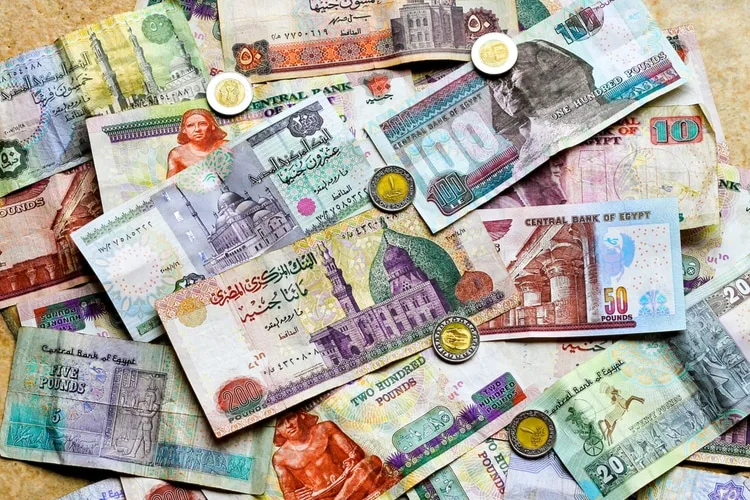
Plan Your Egypt Travel Budget: Costs, Money Tips & Saving Advice
One of the biggest advantages of visiting Egypt is that it offers exceptional value for money compared to many other world-famous travel destinations. Whether you're planning a budget backpacking adventure, a family vacation, or a luxury holiday, Egypt provides accommodation, transportation, dining, and sightseeing options to suit almost every travel style and budget.
From exploring the Great Pyramids of Giza and sailing along the Nile River to relaxing at luxury Red Sea resorts, it's possible to enjoy an unforgettable Egyptian vacation without spending a fortune. Planning your budget in advance and understanding how money works in Egypt will help you avoid unnecessary expenses and make your trip far more enjoyable.
How Much Does a Trip to Egypt Cost?
The total cost of traveling in Egypt depends on your travel style, accommodation preferences, transportation choices, and the activities you plan to enjoy. Fortunately, Egypt remains one of the most affordable destinations for travelers interested in history, culture, and adventure.
As a general guideline, most visitors can expect the following daily expenses:
| Travel Style | Estimated Daily Budget |
|---|---|
| Budget Traveler | $30 – 50 |
| Mid-Range Traveler | $70 – 120 |
| Luxury Traveler | $150 + |
Budget travelers who stay in hostels or budget hotels and use public transportation can keep their daily expenses relatively low. Mid-range travelers usually enjoy comfortable hotels, private airport transfers, and guided tours, while luxury travelers often choose five-star resorts, private guides, and premium Nile cruises.
Understanding Egypt's Currency
The official currency of Egypt is the Egyptian Pound (EGP). Although many hotels, major attractions, and upscale restaurants accept international credit cards, cash remains the preferred payment method in local markets, small shops, cafés, and traditional restaurants.
It's a good idea to carry a combination of cash and cards throughout your trip. ATMs are widely available in major cities such as Cairo, Alexandria, Luxor, Aswan, Hurghada, and Sharm El Sheikh, making it easy to withdraw local currency whenever needed.
Many travelers also choose to carry a small amount of US Dollars or Euros as an emergency backup, particularly when traveling between cities or visiting remote destinations.
Tipping in Egypt
Tipping, commonly known as "Baksheesh," is an established part of everyday life in Egypt and is generally expected for many services. While tips are usually modest, they are appreciated by drivers, hotel staff, restaurant employees, tour guides, and other service providers.
You don't need to leave large amounts, but carrying small Egyptian Pound banknotes makes tipping much easier during your trip. Showing appreciation for good service is considered polite and often leads to even better hospitality.
Smart Money-Saving Tips
Traveling to Egypt doesn't have to be expensive if you plan carefully and make informed decisions during your trip.
Here are a few practical ways to save money while still enjoying an incredible experience:
- Book flights and hotels several months in advance.
- Travel during the shoulder seasons for better prices.
- Use Uber or Careem instead of negotiating with random taxis.
- Compare prices before purchasing souvenirs.
- Bargain politely in traditional markets and bazaars.
- Carry small banknotes for tips and local purchases.
- Eat at busy local restaurants for authentic food at reasonable prices.
- Withdraw cash from reputable bank ATMs whenever possible.
Small savings throughout your trip can make a significant difference, especially on longer vacations.
Paying by Card or Cash
Credit and debit cards are becoming increasingly common across Egypt, particularly in shopping malls, international hotel chains, museums, and high-end restaurants. However, many smaller businesses still operate primarily with cash.
For this reason, it's recommended to always carry enough Egyptian Pounds for transportation, entrance fees, tipping, and purchases from local vendors. Having both payment options available provides greater flexibility throughout your journey.
Avoid Common Money Mistakes
Many first-time visitors can avoid unnecessary expenses by following a few simple precautions. Always confirm taxi fares before starting your journey if you're not using a ride-hailing app, and check whether service charges are already included in restaurant bills before leaving an additional tip.
When exchanging money, use official banks or licensed exchange offices rather than unofficial street vendors. Keeping your cash in separate locations and avoiding carrying large amounts at once can also improve your personal security while traveling.
Being aware of these small details allows you to focus on enjoying Egypt rather than worrying about avoidable financial issues.
Budget Planning for Popular Egypt Trips
Your budget will also depend on the type of itinerary you choose. Travelers visiting only Cairo for a few days will usually spend less than those combining Cairo with Luxor, Aswan, a Nile Cruise, and a Red Sea resort.
If you're planning a classic 7 to 10-day Egypt itinerary, it's worth setting aside a larger budget for domestic flights, guided tours, entrance tickets, and optional experiences such as a hot air balloon ride over Luxor or a snorkeling trip in the Red Sea.
Planning these expenses in advance helps you avoid surprises and ensures you can enjoy the experiences that matter most.
Quick Budget Summary
Egypt remains one of the world's best-value travel destinations, offering unforgettable historical sites, stunning landscapes, rich culture, and excellent hospitality at reasonable prices. By planning your budget carefully, carrying both cash and cards, understanding local tipping customs, and making smart spending decisions, you can enjoy an incredible Egyptian adventure without exceeding your travel budget.
SIM Cards & Internet
Internet, SIM Cards & Staying Connected in Egypt
Staying connected while traveling in Egypt has never been easier. Whether you need internet access for navigation, booking transportation, contacting your tour guide, or sharing your travel experiences with family and friends, having a reliable mobile connection can make your trip significantly more convenient.
Although free Wi-Fi is available in many hotels, cafés, restaurants, airports, and shopping malls, the quality of the connection may vary depending on the location. If you plan to explore multiple destinations such as Cairo, Giza, Luxor, Aswan, Alexandria, Hurghada, Sharm El Sheikh, or Marsa Alam, purchasing a local SIM card or activating an eSIM is usually the most practical option. Mobile data in Egypt is generally affordable, making it easy to stay connected throughout your journey without spending a large amount of money.
Buying a SIM Card in Egypt
Getting a local SIM card is quick and straightforward. You can purchase one immediately after arriving at Cairo International Airport or from official stores located in shopping malls and city centers across Egypt.
The country's four major mobile network providers are:
- Vodafone Egypt
- Orange Egypt
- WE
- Etisalat by e&
All of them offer prepaid tourist SIM cards with a variety of data packages suitable for short vacations and extended stays. Registration is simple, and you'll usually only need to present your passport.
For most travelers, a prepaid SIM card provides more than enough mobile data for using maps, messaging apps, social media, and booking transportation throughout the trip.
Should You Use an eSIM?
If your smartphone supports eSIM technology, activating an international or local eSIM before arriving in Egypt can save time and eliminate the need to swap physical SIM cards.
An eSIM allows you to connect to the internet as soon as your plane lands, making it especially useful if you need to contact your hotel, arrange airport transportation, or access online maps immediately. Before purchasing an eSIM, check that your device is compatible and compare available data plans to choose the one that best fits your travel needs.
Wi-Fi and Mobile Coverage in Egypt
Internet coverage is generally excellent in Egypt's major tourist destinations, including Cairo, Giza, Luxor, Aswan, Alexandria, Hurghada, Sharm El Sheikh, and other popular cities. Most hotels, cafés, restaurants, and coworking spaces provide complimentary Wi-Fi, although speeds may vary during busy hours.
If you're planning day trips to archaeological sites, desert areas, or long journeys between cities, relying on mobile data instead of public Wi-Fi is recommended. A stable mobile connection allows you to navigate unfamiliar areas, make online bookings, and communicate with your guide whenever necessary.
Essential Travel Apps for Egypt
Downloading a few useful travel apps before your trip can make exploring Egypt much easier and more enjoyable.
Some of the most recommended apps include:
- Google Maps for navigation and offline maps.
- Uber and Careem for safe and reliable transportation.
- Google Translate with offline Arabic language support.
- WhatsApp for communicating with hotels, guides, and local businesses.
- XE Currency for checking live exchange rates between the Egyptian Pound (EGP) and your home currency.
Having these apps installed before your arrival will save time and help you travel with greater confidence.
Digital Tips for a Hassle-Free Trip
Besides having internet access, a few simple digital preparations can make your journey much smoother. Download offline maps before leaving home, save your hotel address in both English and Arabic, and keep digital copies of your passport, visa, travel insurance, and flight confirmations stored securely in cloud storage.
It's also a good idea to carry a fully charged power bank, especially during full-day sightseeing tours where charging opportunities may be limited. If you're traveling with multiple devices, packing a universal travel adapter will ensure you can charge everything without difficulty.
Taking these small precautions can save valuable time and help you avoid unnecessary stress if you lose your phone, experience connection issues, or need quick access to important travel documents.
Quick Summary
Staying connected in Egypt is simple, affordable, and highly recommended for first-time visitors. Purchasing a local SIM card or using an eSIM gives you reliable internet access for navigation, transportation, communication, and online bookings throughout your trip. Combined with useful travel apps, offline maps, and digital copies of your important documents, you'll be well prepared to explore Egypt with confidence while enjoying a smoother, safer, and more convenient travel experience.
Travel Insurance and Digital Preparation for Egypt
Travel Insurance and Digital Preparation for Egypt
Preparing for your trip to Egypt involves more than booking flights and hotels. Taking a few practical steps before you travel can make your journey much smoother and help you deal with unexpected situations confidently. Two of the most important things to consider are purchasing reliable travel insurance and preparing your phone, documents, and essential travel apps before departure.
Whether you're planning to explore the Pyramids of Giza, cruise along the Nile, or relax at a Red Sea resort, being well prepared allows you to focus on enjoying your vacation instead of worrying about problems that could easily have been avoided.
Why Travel Insurance Is Worth It ?
Many travelers overlook travel insurance, but it can save you significant stress and expense if something unexpected happens during your trip. Medical treatment abroad, flight cancellations, delayed baggage, or lost passports can quickly disrupt even the best-planned vacation.
A comprehensive travel insurance policy should ideally include coverage for:
- Medical emergencies and hospital treatment.
- Trip cancellation or interruption.
- Lost or delayed luggage.
- Flight delays.
- Emergency assistance and evacuation if required.
Before purchasing a policy, always read the terms carefully and make sure it covers the activities you plan to enjoy in Egypt, such as scuba diving, snorkeling, desert safaris, or hot-air balloon rides over Luxor.
Prepare Your Digital Essentials Before You Fly
Your smartphone can become one of your most valuable travel tools in Egypt. Spending a few minutes preparing it before departure can save hours of frustration later.
Download offline maps for destinations such as Cairo, Luxor, Aswan, Hurghada, and Sharm El Sheikh so you can continue navigating even if your internet connection becomes slow or unavailable. Offline translation apps are also useful for communicating with locals, reading signs, or ordering food in less touristy areas.
It's equally important to create digital backups of essential documents, including your passport, visa, hotel reservations, travel insurance certificate, and flight confirmations. Storing these files securely in cloud storage means you'll still have access to them if your phone or luggage is lost.
Install These Useful Travel Apps
Having the right apps on your phone before arriving in Egypt can make your trip far more convenient.
Some of the most useful apps include:
- Google Maps for navigation.
- Uber and Careem for reliable transportation.
- Google Translate with offline Arabic.
- XE Currency for exchange rates.
- WhatsApp for communicating with hotels and tour operators.
These apps can help you move around confidently, compare prices, and stay connected throughout your trip.
Stay Connected During Your Trip
Although Wi-Fi is available in many hotels, restaurants, and cafés, it may not always be fast or reliable. Purchasing a local SIM card or using an eSIM is often the easiest way to ensure you always have access to mobile data.
Having an internet connection allows you to book transportation, access digital tickets, check directions, communicate with your guide, and contact family or friends whenever needed. For most travelers, staying connected makes exploring Egypt much easier and more enjoyable.
Final Travel Checklist
Before boarding your flight, take a few minutes to make sure you've completed these final preparations:
- Purchase comprehensive travel insurance.
- Download offline maps and useful travel apps.
- Save digital copies of all important documents.
- Pack a power bank and charging cable.
- Share your travel itinerary with a trusted family member or friend.
- Keep emergency contact numbers easily accessible.
These simple preparations require very little time but can make a significant difference if unexpected situations arise during your trip.